What Does an Epidemiologist Do? Roles, Responsibilities, and Career Path Explained
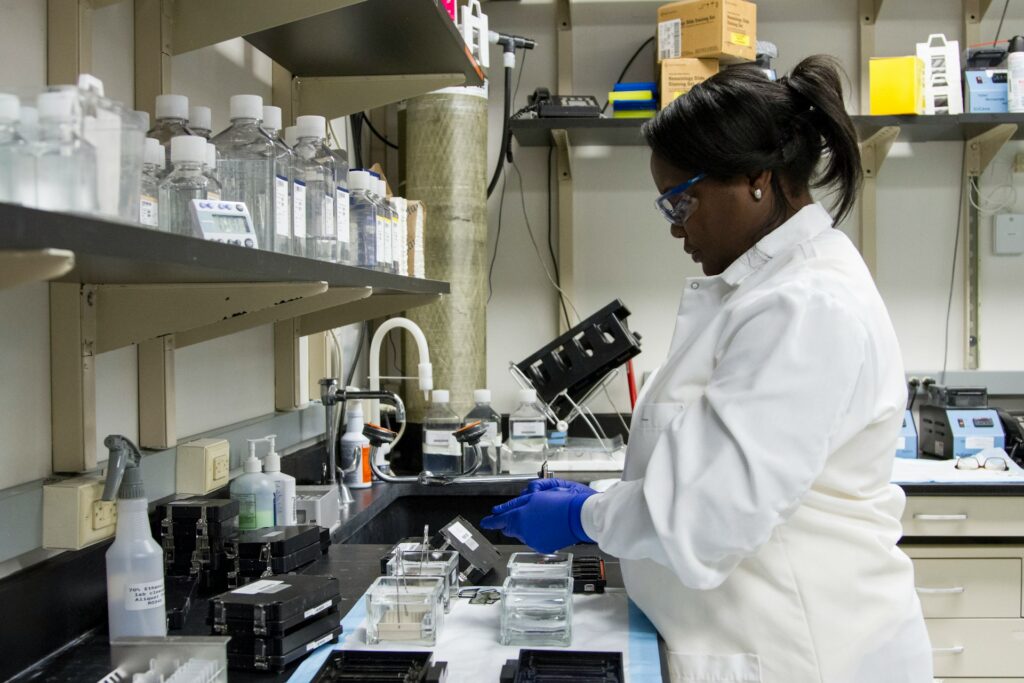
Epidemiologists are public health workers who break down patterns and causes of disease and injury in populations. The Centers for Disease Control and Prevention refers to these professionals as “disease detectives,” a fitting description for those who hunt for clues about outbreaks threatening community health.
Clinicians focus on individual patient care. Epidemiologists get into the collective health of communities. A patient presents with diarrheal disease. A clinician concentrates on treatment and care for that person. An epidemiologist identifies the exposure source that caused the illness and determines how many others may have been exposed the same way. In this career, they assess the potential risks of further spread and develop interventions to prevent additional cases. Like in the case of the Cyclosporiasis outbreak in 2026 – clinicians are treating symptoms and administering antibiotics. Epidemiologists are finding the source of the outbreak.
What does an epidemiologist do on a practical level? These professionals collect and analyze data from multiple sources—observations and interviews, surveys and biological samples—to find the causes of diseases or health problems. They plan and direct studies of public health problems to find prevention methods or treatments. Their work involves managing programs and supervising personnel. They write grant proposals to fund research.
The discipline has saved millions of lives through interventions and preventative programs implemented based on study findings. The National Library of Medicine reports that the CDC credits medical epidemiologists with adding 25 years to the average life expectancy of people living in the United States since 1947.
Epidemiologists work for state and local government agencies, federal organizations such as the CDC or NIH, universities, hospitals, and pharmaceutical companies. They often specialize in areas that include infectious diseases, chronic diseases, environmental health, injury, maternal and child health, mental health, public health preparedness, or veterinary epidemiology. These professionals monitor infectious diseases and bioterrorism threats through their epidemiologist job description. They focus on other problem areas to reduce the risk and occurrence of negative health outcomes.
Education Needed
A bachelor’s degree serves as the entry point into this field. You’ll need foundational coursework in biology, public health, chemistry, statistics, or related sciences to build the quantitative and analytical skills required to pursue graduate study. This undergraduate phase spans four years typically.
Most positions require a master’s degree in public health (MPH) or a specialized degree in epidemiology. Graduate programs emphasize epidemiological methods, biostatistics, health services administration, and immunology. You’ll also gain proficiency with statistical software such as SAS or SPSS, along with interviewing techniques and medical processes. Master’s programs require two years of study usually. Your total educational investment comes to about six years.
The difference between degree types matters for career direction. An MPH in Epidemiology prepares you for practical applications in public health agencies and NGOs, with coursework covering policy and management while providing fieldwork opportunities. An MS in Epidemiology focuses on research-intensive training and requires a thesis with advanced coursework in statistics and modeling. This makes it ideal for academic settings or doctoral programs.
Graduate programs accredited by the Council on Education for Public Health (CEPH) require completion of an internship or practicum that ranges from a semester to a year. Federal agencies like the CDC and NIH offer these training opportunities.
Leadership and research positions require doctoral degrees. A Ph.D. or DrPH requires four to eight years of study. Those pursuing doctorates may invest 10 to 14 years in total education. But you can enter the workforce after earning your bachelor’s degree, gain professional experience, and return to graduate studies later. This flexibility allows you to refine career goals before committing to advanced degrees.
Programs emphasize interdisciplinary training that combines quantitative skills to analyze data with health education methods to prevent disease and promote health.
Certification Needed
No licensure requirements exist for epidemiologists in the United States right now. Certification remains optional, but pursuing professional credentials can improve your qualifications and signal commitment to potential employers.
Two primary certifications serve the field. The Certification Board of Infection Control and Epidemiology (CBIC) offers the Certified in Infection Prevention and Control (CIC) credential that many employers recognize. You need a postsecondary degree (associate’s degree or higher, or a three-year diploma RN degree) to qualify. You also need at least two years of experience in infection prevention and control and must pass an examination. CBIC provides the associate-infection prevention and control credential for those not meeting CIC requirements. This one requires only passing a multiple-choice examination without specific job or educational prerequisites.
The National Board of Public Health Examiners (NBPHE) administers the Certified in Public Health (CPH) credential, which covers various public health topics. This certification distinguishes you as a professional with knowledge of core public health sciences. It shows commitment to the field through continuing education focused on emerging and long-standing issues. The CPH exam assesses competencies relevant to contemporary public health and general principles, whatever your area of expertise.
Universities provide certificates in infectious disease epidemiology, clinical epidemiology, and applied epidemiology beyond professional certifications. These programs help you learn about epidemiologic study design, disease investigation, and identification and control of biases. Such certificates can improve your qualifications for specific epidemiologist job description requirements.
Certifications demonstrate expertise and dedication. They help you stand out among other candidates. They may also expand your career choices and show employers you can meet national standards in public health. What do epidemiologists do with certifications, specifically? They access wider-ranging opportunities and demonstrate sustained professional development in their chosen specialization.
Potential Job Titles
Your educational background and specialization open doors to many career paths beyond the standard epidemiologist title. What does an epidemiologist do in these varied roles? The answer depends on your chosen specialization and work environment.
Infectious disease epidemiologists track outbreaks from emerging viruses to diseases like influenza and HIV. They use mathematical modeling to predict patterns and guide prevention efforts. Pharmaceutical epidemiologists assess drug safety and efficacy. They work with pharmaceutical companies and government agencies to analyze clinical trials and ground studies. Hospital epidemiologists implement hygiene protocols and break down healthcare-associated infections to ensure patient safety. These professionals are also known as infection control epidemiologists.
Field epidemiologists serve as rapid responders. They travel to outbreak locations and work with organizations like the CDC and WHO to implement containment measures. Climate health epidemiologists study how environmental changes affect human health and disease patterns. Their focus includes air quality and water access. Molecular epidemiologists use cells and proteins to understand disease causes and prevention strategies.
You might pursue roles as a data analyst, biostatistician, or health policy analyst beyond specialized epidemiologist positions. Academic research epidemiologists teach courses and conduct research while they mentor future professionals. Some professionals transition into related fields and work as public health nurses or infection preventionists.
Day in the Life
What does an epidemiologist do during a typical workday? The reality is different by a lot from dramatic media portrayals. Most epidemiologists spend their time in offices and laboratories. They study data and prepare reports. Clinical settings or field locations complement this desk-based work, especially during emergency response situations.
Your schedule follows standard full-time hours most of the time. But fieldwork demands or public health emergencies may require irregular schedules. The dynamic nature of this profession means no two days look similar. This attracts many professionals to the field at first.
Desk work makes up much of your daily responsibilities. You’ll collect and analyze large amounts of health data using statistical software. You transform information into epidemic curves and visualization tools. Writing consumes a lot of time as you draft reports, research proposals and manuscripts tailored to different audiences, from peer-reviewed journals to community health alerts.
Your workday is shaped by frequent meetings with stakeholders, sometimes several times daily. These gatherings allow you to share findings and plan interventions. You receive constructive feedback that strengthens your research’s credibility.
Field assignments involve outbreak investigations. You conduct interviews, assessments and data collection from surveillance systems, hospital records and environmental sources. International travel may become necessary based on your specialization, especially for infectious disease epidemiologists studying conditions prevalent in developing regions.
Next Steps
Strategic planning beyond formal education is what you need to break into epidemiology. The timeline from bachelor’s degree to working epidemiologist spans four to six years for entry-level positions. Senior roles requiring doctoral training extend this to nine to twelve years.
Practical experience separates competitive candidates from the rest. Internships connect you with potential employers and enhance your resume. Fellowship programs offer intensive learning opportunities. The CSTE Applied Epidemiology Fellowship provides one to two years of hands-on training with flexibility to develop new skills and explore different positions. Research assistant roles, co-op programs and applied practice experiences build the ground competencies employers seek.
A mentor is a great way to get professional development. Identify someone who can provide guidance on projects and career decisions, whether a senior professional or peer mentor. Transitioning from another field? You’re not alone. Nurses, health educators and professionals with backgrounds in science or data analysis move into epidemiology.
Networking opens doors to opportunities. Conferences and seminars through organizations like the Society for Epidemiologic Research and the American Public Health Association are worth attending. CSTE subcommittees help you stay connected with current developments. Remain flexible about specialization areas. Occupational health develops different skills than infectious disease epidemiology, and each provides valuable experience for future positions.