What Is a Community Health Worker: Roles, Skills, and Career Path
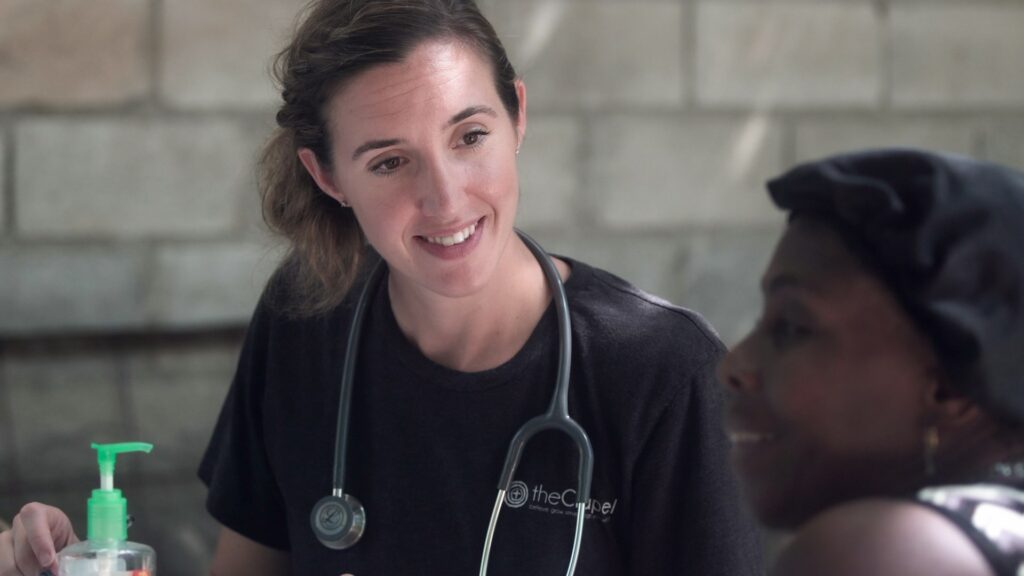
A community health worker (CHW) serves as a frontline public health professional who bridges the gap between healthcare systems and the communities they serve. You’ll find these workers are trusted members with close understanding of the population’s culture, language, and unique needs. This positions them to act as vital liaisons between health and social services.
CHWs promote wellness by helping people adopt healthy behaviors and implementing programs for those with limited access to health resources. Their work covers multiple core activities that affect community health outcomes. They coordinate care among individuals and healthcare systems and conduct outreach through home visits. You’ll see them provide culturally appropriate health information. They oversee case management, promote housing and food security needs, and deliver coaching on nutrition and chronic disease management.
What distinguishes these workers from other health professionals is their shared experience with the communities they serve. They spend much time conducting outreach in community settings like homes and clinics. Their unique position allows them to identify health-related issues, collect data, and discuss health concerns within the community.
CHWs may carry different titles depending on the populations they serve. Promotores de la salud reduce barriers to healthcare in Spanish-speaking communities, while community health representatives increase health knowledge for Tribal communities. Peer support specialists have experienced mental health or substance use disorders and provide support to others facing similar challenges.
These workers build individual and community capacity by increasing health knowledge and self-sufficiency through outreach and community education. They work with registered nurses, social workers, and mental health counselors to deliver coordinated care throughout their careers.
Education Needed
Educational requirements for becoming a community health worker vary based on employer priorities and state regulations. Most positions require at least a high school diploma or GED equivalent. The majority of CHW certification programs do not mandate specific educational credentials beyond this baseline, though individual employers may establish their own standards.
You can pursue several educational pathways depending on your career goals. Postsecondary community health worker programs provide structured training that results in either a 1-year certificate or a 2-year associate’s degree. Professional certificates can be obtained within a single year. CHW associate degree programs take two years to complete. These programs cover topics such as wellness, ethics and cultural awareness.
But employers prefer candidates with bachelor’s degrees more and more, especially for leadership or specialized roles. Relevant degree options include public health, health science, healthcare administration and health and human services. Public health degrees line up closely with CHW responsibilities and prepare you for duties like disease prevention, health education and community outreach. Health science programs focus on how biology, chemistry and psychology principles affect population health. Other beneficial majors include health education and nutrition, each offering unique viewpoints on community health challenges. Some CHWs have master’s degrees, although this is more rare.
Beyond formal education, you’ll complete on-the-job training at the time of entering the field. This training lasts approximately 100-120 hours and spans two and a half to three weeks. You learn about communication styles, outreach methods, advocacy techniques and legal and ethical considerations relevant to your specific community during this period.
Your educational experience may also benefit from personal experience with the communities you serve. Understanding specific cultures, medical conditions or disabilities improves your effectiveness. Bilingual abilities prove valuable especially when working in multilingual communities. Simple computer literacy and knowing how to read and write in English serve as foundational skills for documentation and communication requirements.
Certification Needed
Certification for community health workers varies substantially across the United States. Approximately half of U.S. jurisdictions have developed or are developing certification programs. Currently, 12 states operate certification programs, five states’ programs are run by independent credentialing boards, and six states run their program through CHW associations.
Certification remains voluntary rather than mandatory in most cases. States do not require certification to practice as a CHW, though it may be needed to use the title “certified CHW” or for Medicaid reimbursement in certain settings. Georgia has no formal state-mandated certification process, while states like Connecticut and Texas have established detailed programs.
Most certification programs offer multiple pathways to meet diverse candidate backgrounds. One pathway centers on completing approved training programs. An alternative pathway allows experienced workers to qualify through documented work hours. The experience-based route requires six months to two years of CHW experience, from 1,000 to 4,000 hours. Connecticut’s Path 1 requires 1,000 hours of experience within three years. Path 2 requires 2,000 hours.
Training-based pathways mandate 75 total hours of education from an accredited provider. Most programs require applicants to be at least 16 or 18 years old. Several states need professional references, with Connecticut requiring both a professional reference and a community member reference.
Certification fees for individual applicants range from no cost in Maryland, Oregon, and Texas up to $200 in Arizona. New Mexico charges $125 for generalist certification. Renewal occurs on a two- or three-year cycle, with recertification fees between $25 and $100. Connecticut requires recertification every three years. You’ll just need to complete continuing education requirements, averaging 10-15 hours each year, with New Mexico requiring 30 total continuing education units for renewal.
Potential Job Titles
The term “community health worker” functions as an umbrella designation for over 250 professional titles. You might search for positions using this general term, but job postings will feature a wide array of specific titles. These depend on employer mission and funding sources.
Three titles dominate the field. Community Health Representatives account for 44% of positions. This makes it the most prevalent title you’ll encounter. Outreach Specialist or Outreach Worker represents 37% of roles, while Community Health Educator has 34%. Other notable titles include Promoter or Promotora at 25%, Care or Case Manager at 22%, Navigator roles at 21%, and Health Advocate or Advisor at 18%.
Only 2% of positions use “Community Health Worker” as the official title, despite 67% of professionals identifying themselves as CHWs over the last several years. You might also find openings listed as Peer Support Specialist (7%) or Certified Application Counselor (5%), which is worth noting.
Position titles span a variety of specializations: Care Coordinator, Patient Navigator, Health Coach, Family Advocate, Community Liaison, or Prevention Specialist. Specialized roles include Diabetes Educator, Asthma Outreach Worker, Perinatal Health Worker, or HIV Care Navigator. Understanding this title diversity helps you identify relevant opportunities when searching for community health positions.
Day in the Life
No typical day exists as a community health worker. You might begin at 7 a.m. checking voicemail for messages from patients or caregivers, then transition to various settings throughout the day. Your work splits between office activities like recordkeeping and writing reports, and extensive field time interacting with community members.
Building trust takes considerable time once you meet patients. Sessions often last two to three hours and allow you to uncover information patients might withhold from other providers. To cite an instance, you might find a patient claims to exercise daily but feels unsafe leaving their home. Such details prove valuable once you relay information back to care teams.
Your daily responsibilities span multiple locations. You’ll conduct home visits to assess living conditions and barriers to care, attend clinic appointments alongside patients, or meet in community spaces like coffee shops to complete benefit applications. You coordinate with external partners and refer patients to resources while managing longer-term needs.
Full-time work remains standard, though you’ll need flexibility for evenings and weekends to attend community events, programs, or meetings. Every other week, you participate in team meetings to share success stories, discuss challenges, and identify improvements.
Next Steps
Professional development becomes crucial for long-term success after you enter the field. Many employers assume CHWs want to transition into traditional healthcare roles like nursing or social work. This assumption may undervalue the unique expertise you bring from your work with disenfranchised communities. Your career advancement can follow multiple pathways based on your interests and goals.
You can progress within the CHW field through senior or supervisory positions. These advancement opportunities emphasize lived expertise and proficiency over formal educational credentials. Specialization is another growth avenue. You might focus on specific health areas such as diabetes education, asthma outreach, or maternal health. Each specialization requires additional training but allows you to deepen your effect in communities you serve.
Professional development resources give you ongoing learning opportunities. Free and low-cost options include webinars on Medicare navigation, health literacy courses, and training on LGBTQ+ behavioral health equity. Organizations like the American Heart Association and Centers for Disease Control are a great way to get specialized training programs.
Your CHW experience forms the foundation to transition into roles such as registered nurse, social worker, or health education specialist if you seek broader healthcare careers. These transitions require additional education, with associate or bachelor’s degrees opening advanced positions.